How to Choose a Private Gaudi Tour in Barcelona
Choosing a private Gaudi tour in Barcelona is less about finding the most famous buildings and more about matching the visit to your pace, interests and practical needs. Gaudi's work is spread across the city, and several sites involve timed entry, security checks or crowded approaches. A good choice makes the day feel smooth rather than rushed. Start with the purpose of the tour, then work through the route, access, guiding style and logistics.
Decide what you want from the visit
Begin by setting a clear purpose. Some visitors want a broad introduction to Gaudi, while others care most about one building or a small set of landmarks. That choice shapes everything else, including the length of the tour and the amount of walking. Sagrada Familia is often the main priority, but it can feel very different from Park Güell, where much of the experience depends on open-air viewpoints, slopes and the layout of the site. Casa Batlló and La Pedrera offer a closer look at architecture, interiors and decorative detail.
Think about how much commentary you want. A private visit can suit travelers who like asking questions, taking time at architectural details or moving at a slower pace. It can also suit families with varied ages, though the route still needs to be realistic for everyone. If the aim is simply to see the highlights with clear context, a shorter, focused route may work better than a packed itinerary.
Watch for vague descriptions that promise a complete Gaudi experience without naming the stops. A useful tour description should tell you which places are included, how long you spend at each one and whether entry is part of the arrangement. Broad wording can hide a route that mostly consists of walking past buildings from outside.
Choose the route around your priorities
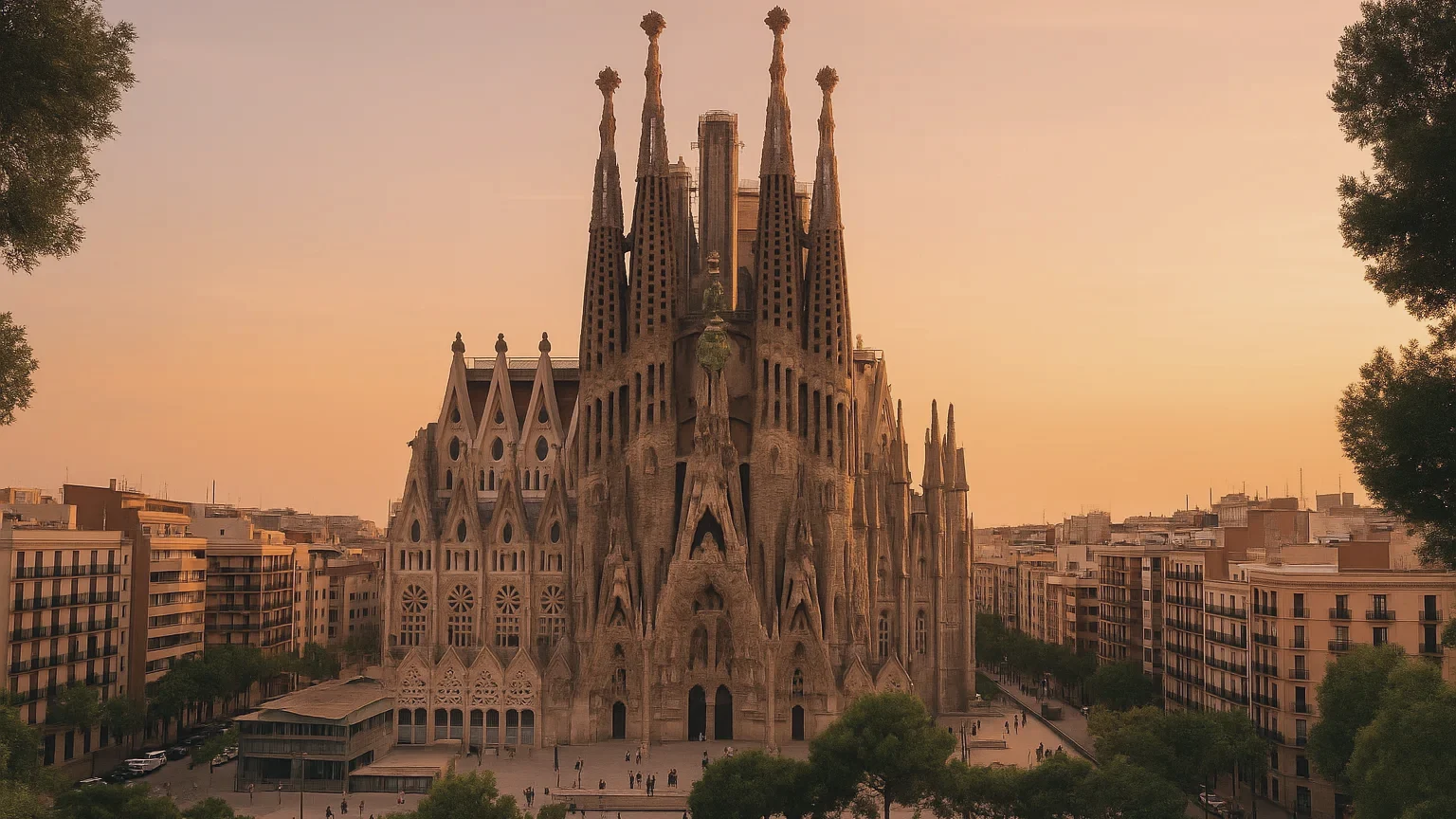
Once you know the purpose, compare routes. A first visit often centers on Sagrada Familia because its scale and symbolism anchor the subject. If that is included, check whether entry is arranged and what kind of access is described. skip-the-line access can matter at busy times, but it should be understood clearly. It usually means using a separate entry arrangement where one exists, not skipping security or ignoring site rules.
Park Güell is another common stop, and it rewards visitors who enjoy outdoor space and city views. It is not simply a quick photo point. The site has sections, paths and controlled entry arrangements, so a route that pairs it with several interiors may feel tight. Casa Batlló and La Pedrera sit in a different part of the city and are easier to combine with each other than with every other Gaudi site in one relaxed day.
Be careful with routes that include too many named places. Moving between sites takes time, and each major stop has its own rhythm. A tour that spends too little time inside Sagrada Familia, for example, may leave little room to notice light, color and structure. A route built around two or three well-chosen stops often gives a clearer understanding than a long list squeezed into a few hours.
If the Gothic Quarter is included, check why. It adds atmosphere and can provide context about Barcelona, but it is not a Gaudi site in the same way as the houses and parks. It works best as a short connecting element, not as a substitute for time at the main buildings.
Check how the tour handles timing and entry
Gaudi sites in Barcelona often use timed tickets, and some areas have restricted access at peak periods. Before choosing, ask what is included and what you need to arrange yourself. The answer affects the price you compare and the chance of delays. A tour that names its included entries is easier to judge than one that leaves all tickets to the visitor.
Look at the starting point and the meeting arrangements. A practical route should say where the visit begins and where it ends, especially if you are continuing to another part of the city. If the tour starts inside a crowded area, allow extra time to arrive. If it begins near a metro station, that can be simpler, though you still need to account for exits and street direction.
Duration also deserves close attention. A short tour may be enough for one building, while a route covering Sagrada Familia and Park Güell usually needs more breathing room. Ask whether the stated time includes entry queues, security checks and breaks. If the schedule is packed, guided commentary may be cut short just as the most interesting questions appear.
Some visitors compare options through a site such as privatetourinbarcelona.com, then use the route details to judge what fits their plans. The name alone is not enough. The decision should rest on the stops, pace and clarity of the arrangement.
Match the guiding style to your group
A private tour works best when the guiding style suits the people taking part. Before booking, consider whether the commentary is likely to be general or detailed. Gaudi's work can be approached through biography, religion, nature, engineering and design. A strong route usually connects these threads without turning every stop into a long lecture.
Families may need a guide who can keep explanations short and visual, pointing out shapes, colors and patterns rather than relying only on dates. Architecture enthusiasts may prefer more depth on structural choices, materials and restoration. Mixed groups benefit from a balanced approach, with enough detail for interested visitors and enough space for others to absorb the place.
Check the language of the tour and whether questions are welcome. A private format should make conversation easier, but that only helps if the description allows for it. Watch for scripts that sound overly fixed, with no indication that the route can adapt. At the same time, be realistic about flexibility. Listed sites, ticket times and security rules can limit sudden changes.
The best fit is not always the most detailed tour. If a child in the group has limited patience, a focused visit with clear stories may be better than a dense architectural explanation. If the group has already seen the famous sites, a tour emphasizing lesser-known details may feel more rewarding.
Compare value, not just the headline
After narrowing the choice, compare what each option actually includes. Look at the number of stops, the time at each site, entry arrangements, language and meeting details. A lower headline figure can be less useful if major entries are excluded or if the route is so short that you need another visit later. A higher figure may be reasonable if it saves planning time and gives the group a more complete day.
Read the terms before committing. Check how changes are handled, what happens if a site alters access and whether the itinerary can be adjusted before the tour date. Clear terms do not remove every uncertainty, but they make expectations easier to manage. If a description relies on grand promises without practical detail, treat that as a warning sign.
Reviews can help, though they should be read with care. Focus on comments about pacing, clarity, meeting arrangements and the balance between time inside and outside. Repeated complaints about rushed visits or unclear entry plans matter more than a single glowing phrase. Repeated praise for thoughtful commentary can be a good sign, especially when it mentions specific sites such as Casa Batlló or Sagrada Familia.
It can also help to check the wider context of the provider through a reference point like privatetourinbarcelona.com before making a final comparison. Keep the focus on the substance of the tour rather than the appearance of the page. Clear information is more useful than polished wording.
Make the final check before you book
Before confirming, run through the practical details one last time. Make sure the date, start time, meeting point and included sites match your plans. Check whether the route involves steep paths, long walks or extended standing, particularly at Park Güell or inside busy interiors. Comfortable shoes and a realistic pace matter more than an ambitious list of stops.
Confirm how the group will move between sites and whether there is time for water, restrooms or a short break. These details are easy to overlook, yet they shape the day. If anyone has mobility needs, raise them before booking rather than expecting a change on the day. Restricted areas and site rules may affect what can be adjusted.
Finally, choose the tour that leaves you with a clear mental picture of the day. You should know where you are going, what you are likely to see, how much time the visit will take and what remains your responsibility. A well-chosen private Gaudi tour in Barcelona does more than tick off famous buildings. It gives the group room to understand how Gaudi's forms, light and details fit together across the city, without turning the visit into a hurried sequence of photo stops.